
A Lab in Your Pocket!
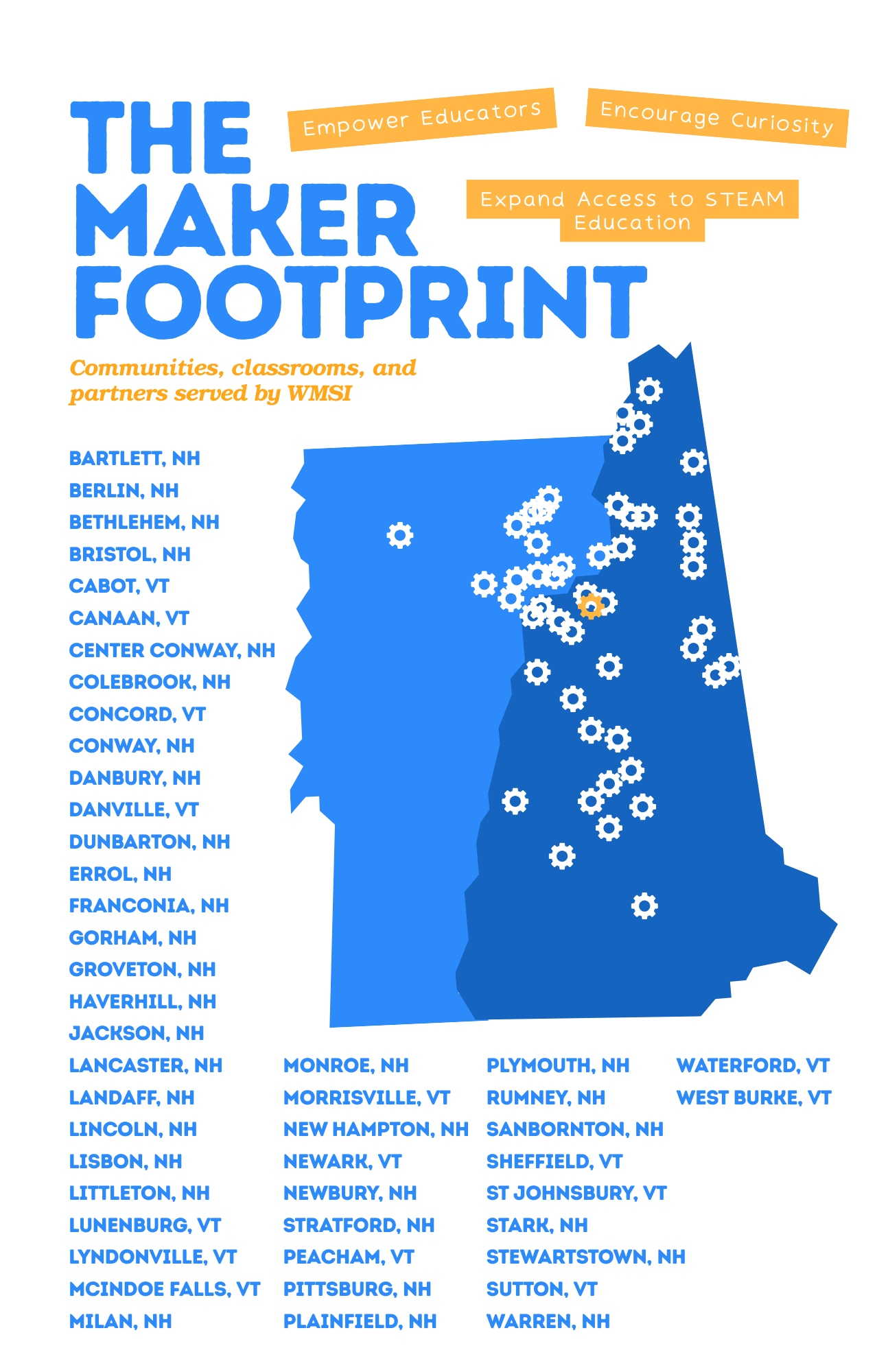
WMSI has over 80 partners across Northern New England!
Every year, WMSI partners with dozens of teachers across the Northeast with a singular goal: to make STEM learning more accessible, engaging, and exciting for every student. We believe school should be a place where kids are genuinely excited to walk through the doors each morning, eager to discover, build, and explore.
Jess from Sant Bani is one of those incredible WMSI partner teachers. We've had the privilege of working with her for several years on science curriculum development, co-teaching lessons in her classroom, and lending specialized STEAM equipment that helps bring abstract concepts to life.
One of the many tools we lend to teachers is a set of PocketLabs. These remarkable handheld sensors allow students to collect scientific data in real time. Whether they're investigating motion, temperature, light, sound, force, or acceleration, students aren't just reading about science - they're doing science. By turning everyday observations into measurable data, PocketLabs help transform classrooms into authentic laboratories where curiosity drives discovery.
Keep reading to learn directly from Jess what her 8th graders were up to last year!
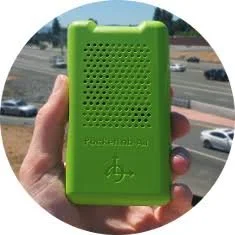
Pocketlab Airs lent to Sant Bani School
Jess Boynton
Sant Bani School
6-8 Science
Investigating Air Quality with 8th Grade
At Sant Bani School, 8th graders begin their year of physical science by exploring the concepts of matter, atomic structure, bonding, balancing chemical equations, carbon cycling, and energy through a modified version of the Open Sci Ed Curriculum ‘Matter Cycling and Photosynthesis’. Students gather data about where plants get their ‘food’, the processes involved, and the unit culminates with students modeling photosynthesis and describing how matter cycles and energy is transformed through the process.
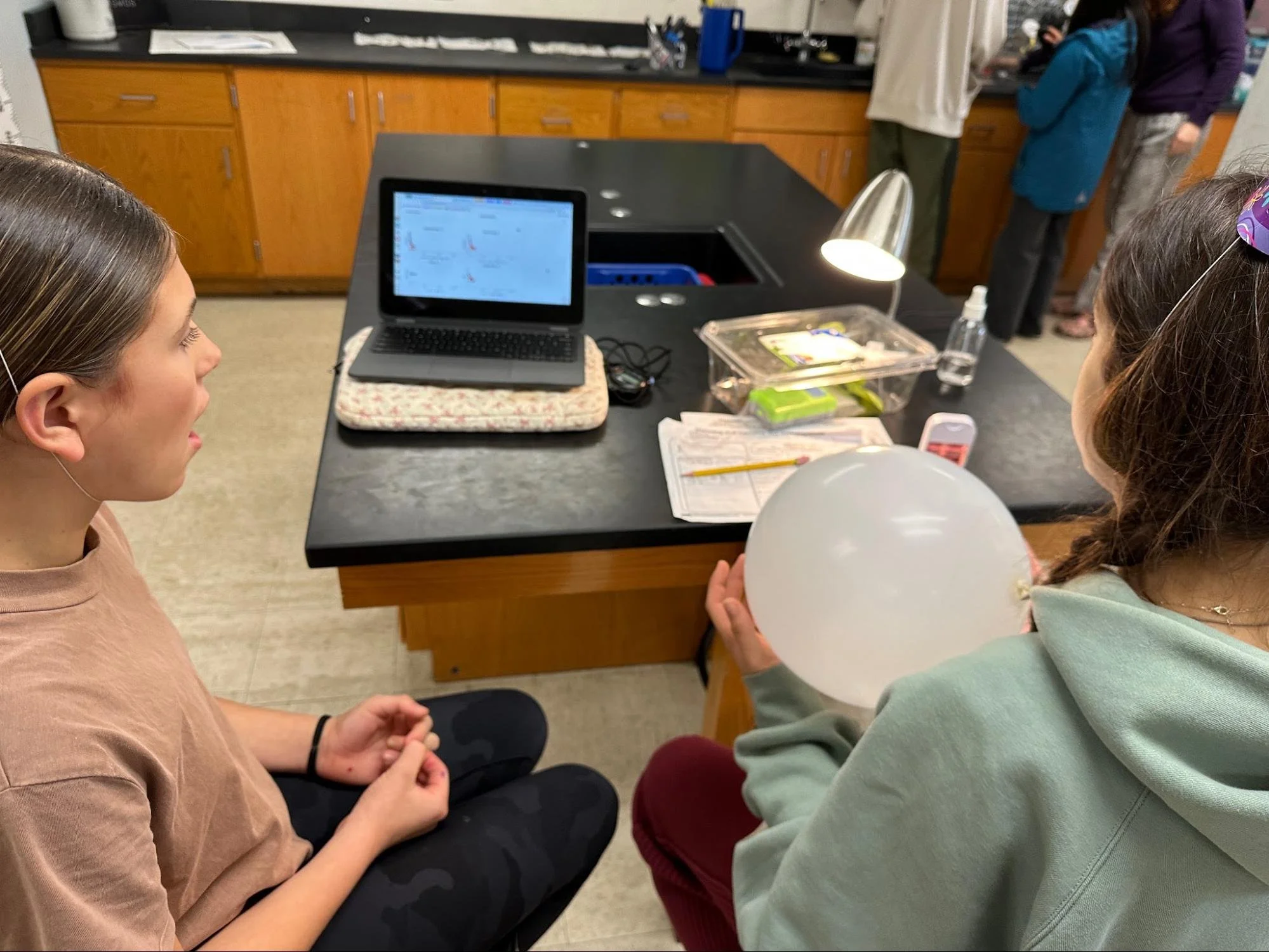
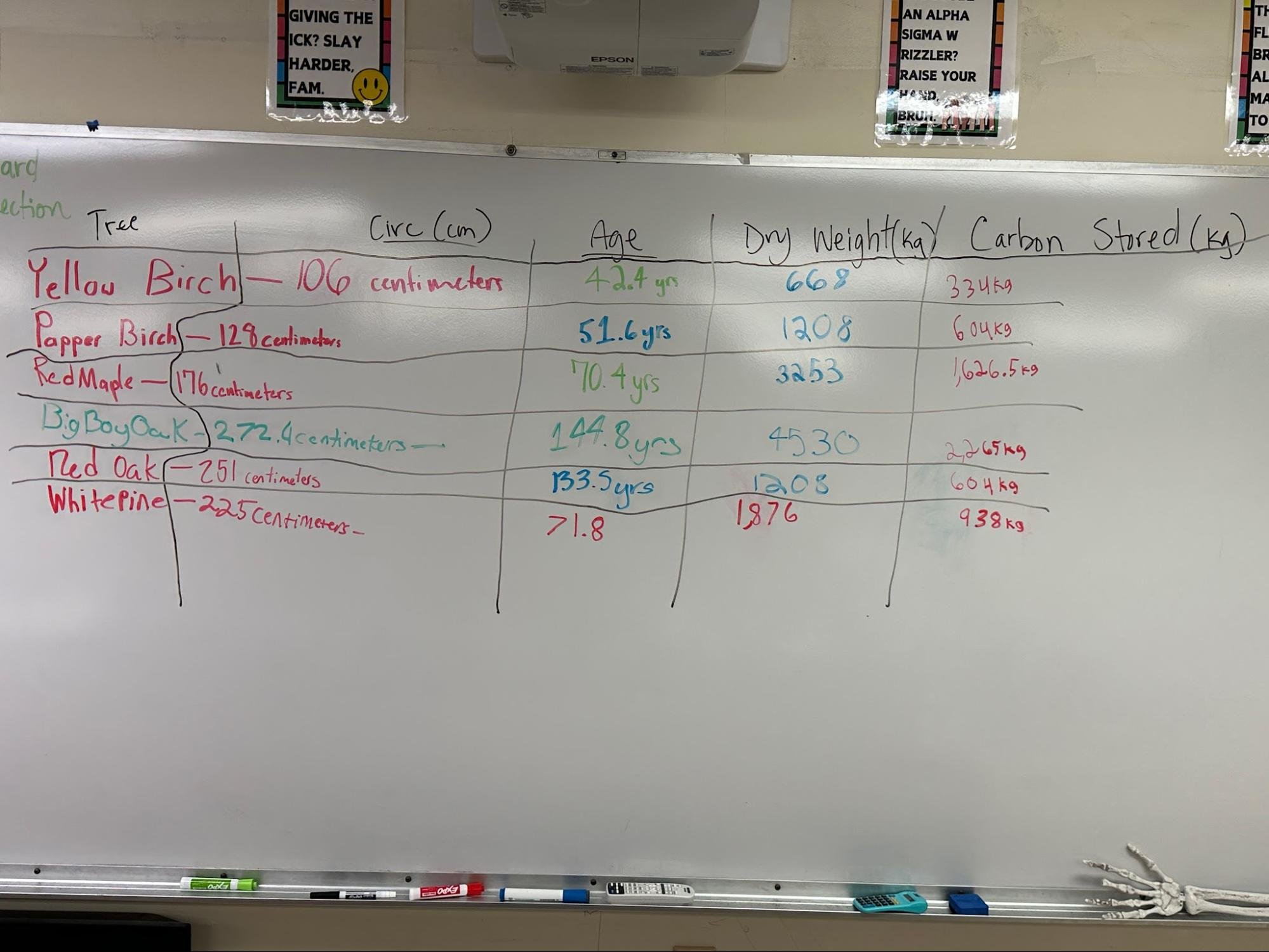
In addition to the investigations across the unit, students learned more about carbon storage in the ecosystem, specifically in the trees we have on our campus, and considered questions about how light intensity, plant density, an increase in temperature, and other variables might affect air quality. Students worked in small groups to plan their investigations and used the Pocket Lab Air from the White Mountain Science Institute for at least one investigation to collect data on how various aerosols affected the rate of carbon dioxide absorption in a plant. The Pocket Lab devices allow for real-time data collection and analysis and provide more accurate data collection.
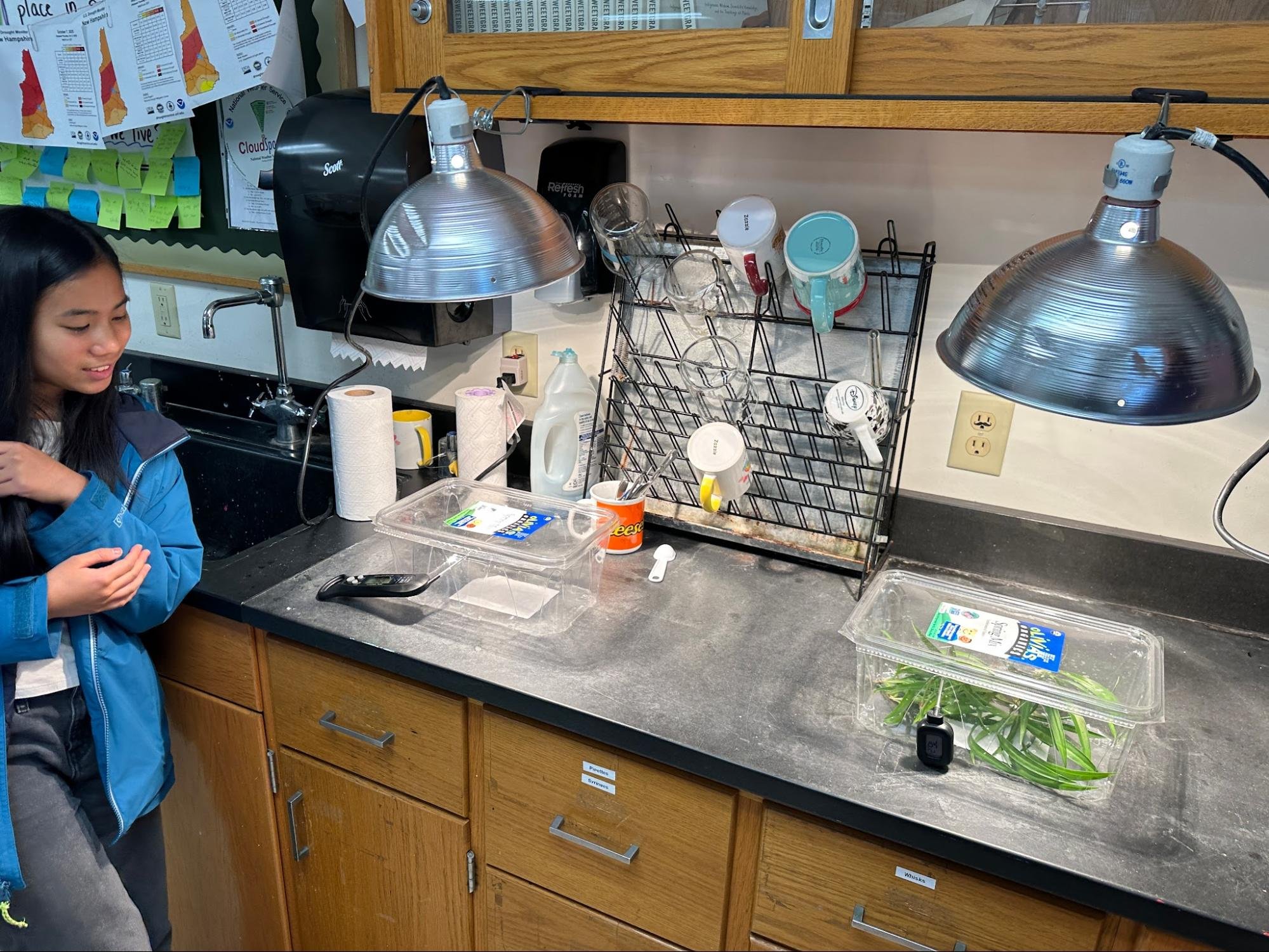
I have loved using Pocket Labs as a way to collect data with interactive graphs and options for seeing data for multiple variables at once. I have not yet used the Student Notebook, but it looks like a great way to embed full lessons or labs in one place. I highly recommend teachers try these units out! There are many pre-made lessons on the Pocket Lab website, and they are very user-friendly. Happy investigating!